Introduction
Tithing has always been part of church life. It’s how churches keep the lights on, support their pastors, and serve their communities. But today, fewer people carry cash or write checks—and many church leaders are asking the same question: how do we keep tithing strong in a digital world?
The answer is simple: meet people where they are. Online giving isn’t just a trend. It’s a real solution that helps churches grow and helps members give in a way that fits their daily lives.
In this guide, you’ll find 10 key things every church should know about collecting tithes online. From choosing the right tools to talking about giving with your congregation, this guide will help you take steady steps forward—with confidence and clarity.
1. What Is Tithing? And Why It Still Matters Today
Tithing is when church members give one-tenth of their income to support the church’s work. This has been a key practice for centuries and remains important today.
For churches, tithes cover everyday costs like staff salaries, building upkeep, and community programs. For example, tithes might pay for Sunday school materials or help fund local outreach events.
Churches that understand tithing’s role can better encourage their members to give regularly. Making this process easy—especially online—helps keep tithing alive in today’s world.
2. Why Churches Must Offer Online Tithing Today
More people prefer giving online than ever before. Churches that don’t offer online options risk missing donations from members who want convenience.
For example, young families or busy professionals might skip giving if they can’t do it quickly from their phones. Online tithing lets members give anytime, anywhere — after service, at home, or on the go.
Offering online giving also shows the church is keeping up with the times. It makes giving simple and encourages more regular support.
3. Understanding the Difference: Tithes vs. General Donations Online
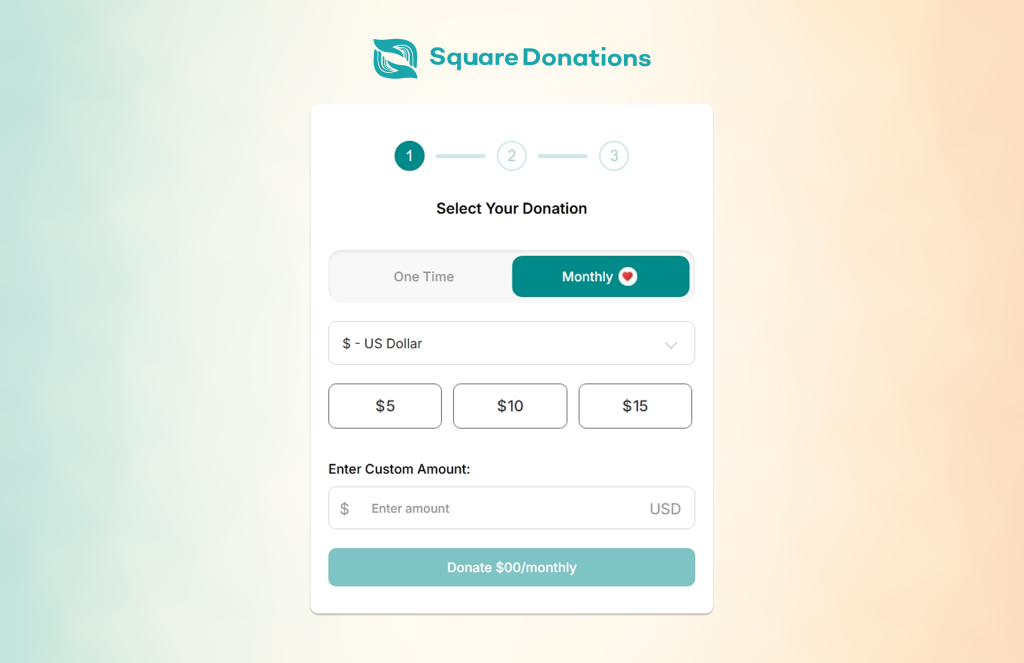
Not all online gifts are the same. Tithes usually refer to the regular giving of one-tenth of income, while general donations can be one-time or for special causes.
For churches, it’s important to track tithes separately. This helps with budgeting and understanding how much steady support comes in each month.
For example, a church might see a rise in special donations around holidays but rely on tithes for day-to-day expenses. Clear tracking lets churches plan better and communicate clearly with members.
4. How to Choose the Right Online Giving Platform
Not all giving tools are the same. The right platform should make it easy for members to give and easy for churches to manage.
Look for features like:
- Simple donation forms
- Mobile-friendly design
- Options for recurring giving
- Automatic receipts
- Clear records for reporting and taxes
For example, if someone wants to set up a monthly tithe in under two minutes, your platform should make that possible. If giving feels confusing or clunky, people are less likely to complete it.
Choosing a good platform helps build trust and encourages regular support.
5. Designing a Seamless Online Tithing Experience
If giving online feels like a chore, people won’t do it. Your goal should be to make tithing online simple, quick, and clear.
Start by placing a “Give” button in a visible spot on your website. Create a dedicated page for tithing that explains what it is, why it matters, and how to give. Keep the form short—name, amount, and payment method should be enough.
Make sure it works well on phones. Many people will give using their mobile devices, often right after a Sunday service or church email.
The easier it is, the more likely people are to follow through—again and again.

6. How to Talk About Online Tithing with Your Church
If your members don’t know about online tithing, they won’t use it. Clear and honest communication is key.
Start by explaining it during services. Mention it in your weekly bulletin, email updates, or church Facebook group. Keep the tone warm and welcoming. For example: “We’ve made giving easier. Now you can tithe anytime, right from your phone or computer.”
Also, be clear about how the funds are used. People give more when they know their money supports things like youth programs, outreach, or building maintenance.
Don’t assume everyone is comfortable with online tools. Offer help and be patient as your church adjusts.
7. Building Trust with Receipts, Transparency, and Gratitude
People are more likely to give when they trust how their money is handled. That trust starts with simple steps.
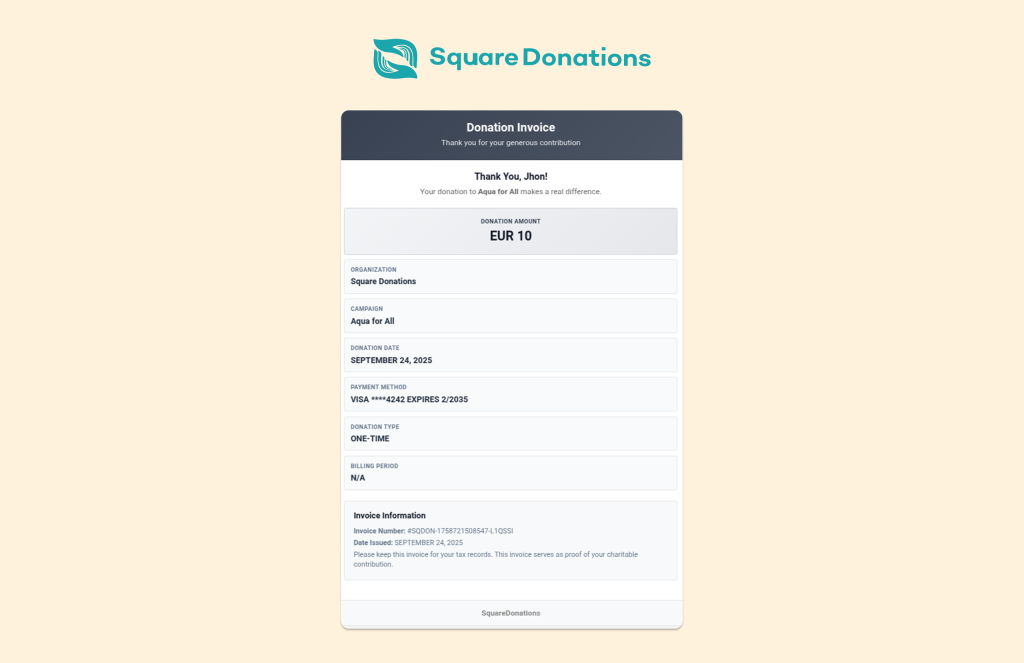
Always send a receipt, no matter the amount. It shows the gift was received and recorded. Share regular updates—monthly or quarterly—on how tithes and offerings are being used. This could be a short email, a few slides before Sunday service, or a printed report.
And don’t forget to say thank you. A short note or message of appreciation goes a long way. Gratitude builds connection—and connection encourages continued support.
8. Encouraging Recurring Tithes for Long-Term Support
One-time gifts are helpful. But consistent, recurring tithes give your church financial stability.
Most online giving tools allow members to set up automatic tithing—weekly, monthly, or on a custom schedule. Encourage this during announcements or through your giving page by saying something like, “Set it and forget it—support the church automatically each month.”
Recurring tithes help your church plan ahead. You’ll have a clearer idea of your monthly income, which makes budgeting easier for ministry, salaries, and outreach.
Make it easy to start, easy to change, and always easy to stop. That builds trust—and more people will choose to give regularly.

9. Promoting Tithing Without Pressure
Talking about giving can feel uncomfortable—but it doesn’t have to. The goal is to invite, not guilt.
Focus on the impact. Share stories about how tithes support your church’s work—like helping families in need, running youth programs, or keeping the lights on. Real stories make giving feel meaningful.
Keep the message simple: giving is part of worship and a way to serve the community. You’re not forcing anyone—you’re showing them how their support makes a difference.
A gentle, honest message often inspires more than a hard push
10. Making Giving a Seamless Part of Church Life
Tithing shouldn’t feel like a separate task—it should be part of the rhythm of church life.
Mention giving during services, but keep it natural. For example, you might say, “If you’d like to give today, you can drop something in the box at the back or visit our church website.”
Include giving options on your church bulletin, website, and even your welcome materials for new members. When you make it easy to find and easy to do, more people take part.
The goal isn’t to talk about money all the time—it’s to make giving a quiet, consistent habit that fits smoothly into the life of the church.
Conclusion
Collecting tithes online isn’t just about keeping up with technology—it’s about making giving easy, meaningful, and trustworthy for your church family. When you offer simple ways to give, communicate clearly, and show gratitude, your church can build stronger connections and steady support.
If you’re looking for a smooth, reliable way to manage online giving, tools like SquareDonations can help. Designed with churches in mind, it makes setting up online tithing simple—so you can focus on what matters most: your mission and your community.
Start making tithing easier today, and watch your church grow in generosity and grace.